
Last Updated: December 2025
I recently came across an interview with Liz Reid, who runs Google Search. While most of it was pretty standard stuff, one part really stood out – she talked about how people are searching for and consuming content differently than before.
Table of Contents
ToggleWhat Google's Search Boss Said
A reporter asked Reid about publishers complaining that their website traffic dropped by 45% or more. Some blame Google’s AI Overviews feature, others point to algorithm updates.
Reid’s answer was interesting. She said yes, Google makes changes that create winners and losers. But she also pointed to something bigger: people’s behavior is fundamentally changing.
Here’s what’s happening:
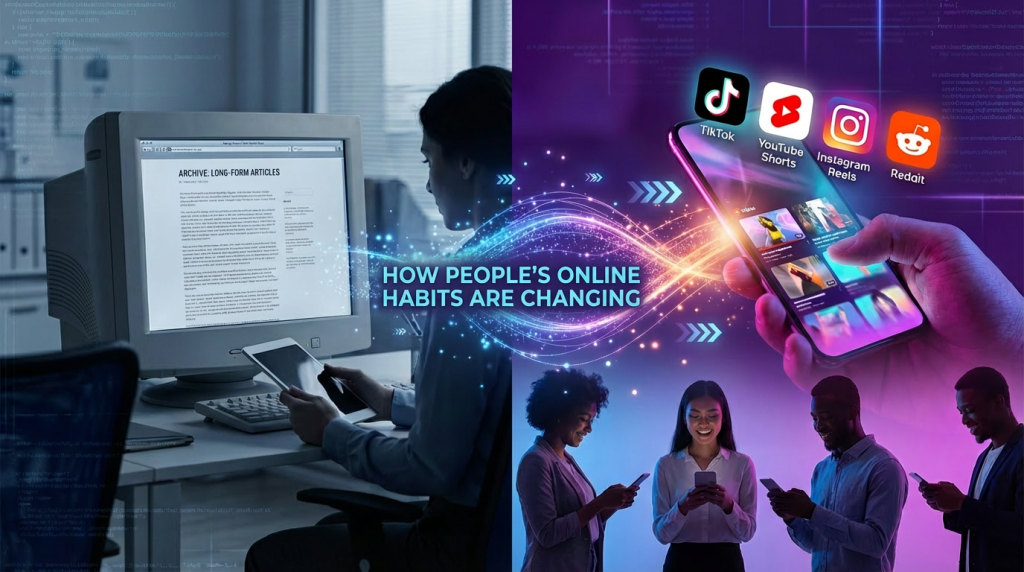
Users are moving away from traditional websites and toward:
- Short videos (TikTok, YouTube Shorts, Instagram Reels)
- Forums like Reddit
- Content created by regular people
- Podcasts
This is especially true for younger users.
Think about it – where do you go for cooking recipes now? A newspaper website or YouTube? Where do you get lifestyle tips? A blog article or TikTok?
Reid said Google adjusts its search results based on what users actually want. They do research, run tests, and watch how people behave. When they see people preferring videos and forums over long articles, they adjust accordingly.
Is She Telling the Whole Truth?
Partially yes, partially no.
The copout part: Many website publishers saw their traffic disappear overnight in 2023. That wasn’t because human behavior suddenly changed – it was because Google changed its algorithm. People don’t shift their habits that fast.
The truth part: She’s right that average internet users aren’t reading long website articles anymore. Some people still do, especially when researching expensive purchases. But the overall trend is clear – people want different content now.
Most people check Reddit and YouTube/TikTok for product recommendations first. Some might read detailed articles later, but many just buy whatever they see people talking about online.
Why This Is Happening
Everything Gets Overused Until It Stops Working
When something works in marketing, everyone copies it until people get sick of it.
SEO-optimized blog posts worked great in the 2010s. Now everyone recognizes them and trusts them less.
Remember Buzzfeed-style headlines? “TOP TEN THINGS YOU WON’T BELIEVE #7!” They worked… until everyone got tired of them.
Or those YouTubers making exaggerated shocked faces in thumbnails? Used to work, now people hate it.
Most people can spot an SEO website now, even if they can’t explain what makes it one. They’re just naturally more skeptical of the information.
People Want “Real” Recommendations
Platforms like Reddit, TikTok, and YouTube make people feel like they’re getting advice from real, everyday people.
The funny part? Companies are spending tons of money on these platforms too. But somehow it still feels more authentic to users.
People actually believe the recommendations come from genuine people just trying to be helpful, not from companies trying to sell something.
Nobody wants advice from a faceless brand anymore. They want it from a specific person they can relate to.
This is why being comfortable and charismatic on camera is becoming such a valuable skill. If you can connect with people through video, you can influence what they buy based purely on trust and personality.
How to Survive These Changes
Even before Google’s big algorithm updates, smart people were saying the same thing: don’t put all your eggs in one basket.
You can’t rely on just one platform or traffic source.
People’s preferences change. Reddit is popular today, but will people still trust it in five years? Who knows.
You need to be everywhere:
- Website with articles – Yes, some people still want this, plus it makes your business look legitimate if you ever want to sell it
- Videos – Both long-form (YouTube) and short-form (TikTok, Reels, Shorts)
- Reddit presence – Participate in relevant communities
- At least one other social platform – Pick from Twitter/X, Instagram, Pinterest, etc.
- Email list – Collect emails and send regular updates
Being specialized in just one thing is risky. You need to be a generalist.
You need to handle changes in both:
- Actual algorithms (what tech companies control)
- Human preferences (how people think and consume content)
The best protection is building your presence everywhere.
When one platform grows, it helps all your others. Your social media followers visit your website. Your website visitors join your email list. Your email subscribers follow you on social media. It all connects.
Don't Let This Happen to You
In 2023, many bloggers woke up one day and watched their entire income disappear. Some literally went from making good money to zero overnight.
Many had to go back to regular jobs because blogging was all they had.
If you’re currently dependent on one traffic source, this will happen to you eventually. Maybe tomorrow, maybe in ten years. But one day you’ll wake up and it will be gone.
The good news? You can fix this starting today.
Spreading out your presence limits your risk. And limiting risk is the first step to building something that actually lasts.